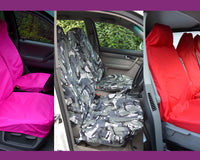
If you use a van for work, your seats probably take more abuse than you realise. Wet clothing, muddy boots, spilled drinks, tools thrown on the passenger seat – it all adds up faster than most drivers expect.
That’s why waterproof seat covers are often marketed as an easy fix. But do they actually protect van interiors, or are they just another accessory that looks useful on paper?
The short answer: yes, they can, but only if you understand what they’re protecting against, and what makes a seat cover genuinely effective.
What Actually Damages Van Seats Over Time?
Van seats rarely fail all at once. Damage usually happens gradually, through everyday use.
Moisture is one of the biggest culprits. Rain-soaked clothing, condensation, and spills can seep into fabric seats, leading to lingering damp, odours, and eventually mould. In colder months, that moisture can sit unnoticed for hours or days.
Dirt and grit are just as damaging. Fine particles work their way into seat fabric, acting like sandpaper over time. Add frequent entry and exit, and wear accelerates quickly – especially on bolsters and seat edges.
Waterproof seat covers are designed to interrupt this cycle.
How Waterproof Seat Covers Actually Work
A properly designed waterproof seat cover creates a barrier between the seat and whatever you bring into the cab with you.
That barrier does three important things:
-
Stops liquid from soaking into the seat material
-
Prevents dirt and grit from embedding in fabric
-
Takes the wear instead of the original upholstery
But not all “waterproof” covers achieve this equally. Some repel light moisture but allow seepage under pressure. Others protect against spills but not prolonged damp.
True protection depends on materials, construction, and fit – not just the word “waterproof” on the label.
At Turtle Covers, we offer 3 Years Manufacturing and 3 Months Satisfaction Guarantee. That being said, we feel responsible for what we’re helping you with.
Fit Matters More Than Most People Think
One of the biggest reasons seat covers fail to protect properly is poor fit.
Loose covers shift as you get in and out of the van, exposing parts of the seat underneath. Gaps around seat bases and backrests allow moisture and dirt to bypass the cover entirely.
Well-fitted covers stay in place and move with the seat, maintaining consistent protection even during long days on the road. This is why van-specific designs tend to perform far better than universal options.
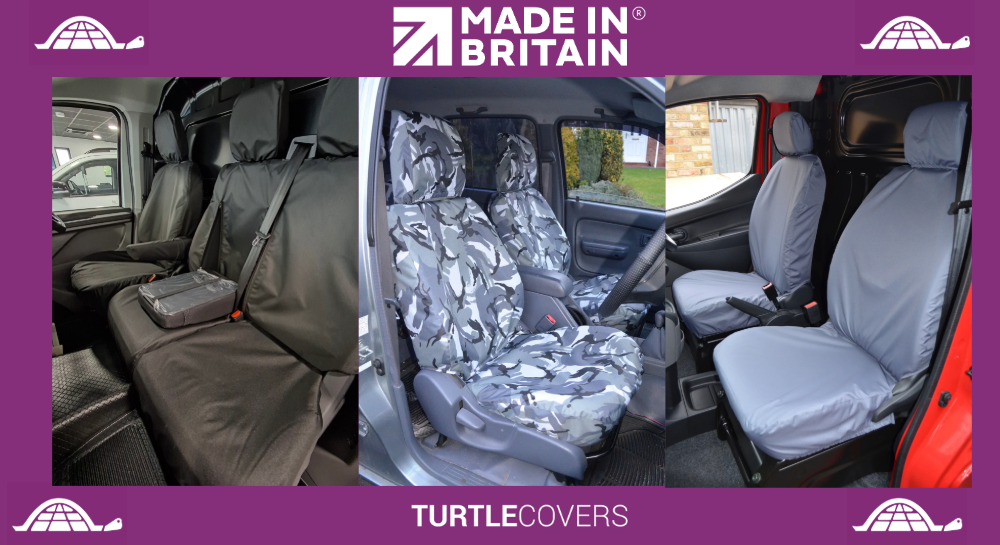
Brands like Turtle Covers, which focus specifically on vehicle seat protection, build covers around real seat shapes rather than generic sizing and that difference shows over time.
Waterproof Van Covers Doesn’t Mean Uncomfortable
A common concern is that waterproof materials will feel hot, stiff, or noisy.
That can be true with cheaper materials, but modern waterproof seat covers are designed to balance protection with comfort. Breathable layers, flexible fabrics, and reinforced stitching all help reduce the “plastic” feel people worry about.
If a van cover is uncomfortable, it usually ends up removed which defeats the point entirely. Protection only works if it stays on the seat.
Do Waterproof Seat Covers Help Resale Value?
Yes, and often more than expected.
Van interiors tell a story. Heavily worn or stained seats signal hard use, even if the vehicle is mechanically sound. Clean, well-preserved seats suggest care and maintenance.
Waterproof seat covers protect the original upholstery, meaning when it’s time to sell or return a leased vehicle, the seats underneath are in far better condition than average.
That difference can directly affect resale value or end-of-contract charges.
Who Benefits Most From Waterproof Van Seat Covers?
Waterproof seat covers aren’t just for extreme conditions. They’re particularly useful for:
-
Tradespeople working outdoors
-
Delivery drivers constantly entering and exiting the cab
-
Utility and maintenance crews
-
Campervan and leisure van owners
-
Anyone regularly driving in wet or muddy conditions
In other words, most working vans.
When Waterproof Seat Covers Fall Short
It’s worth being honest: seat covers aren’t a magic solution.
They won’t protect seats if they’re poorly fitted, rarely cleaned, or removed when inconvenient. They also don’t compensate for sharp objects, poor installation, or covers that aren’t designed for the specific vehicle.
Protection works best when the product matches how the van is actually used.
Are Waterproof Seat Covers Worth It?
For most van owners, yes.
They reduce wear, simplify cleaning, protect against moisture, and help preserve the interior over the long term. Compared to the cost of seat repairs or reupholstering, quality waterproof seat covers are a relatively small investment.
The key is choosing covers designed for real-world use, not just marketed as waterproof.
In Summary
Waterproof seat covers do protect van interiors, but only when they’re well designed, properly fitted, and suited to how the vehicle is used. They shield seats from moisture, dirt, and daily wear, helping keep vans cleaner, more comfortable, and more valuable over time.
Specialist providers like Turtle Covers focus on practical protection rather than gimmicks, which is exactly what working vans need. When protection is built for real conditions, it actually does its job.