Buying waterproof seat covers is one of the simplest ways to protect a working vehicle. They shield upholstery from mud, oil and spills, keep the cab looking professional in front of customers and help hold on to resale value when it is time to change vans.
But the protection they offer depends on more than the cover itself. Small mistakes when buying, fitting and cleaning can shorten their lifespan, compromise safety or leave seats exposed in the very places that take the most punishment.
As a UK seat cover manufacturer with more than 20 years of experience, Turtle Covers see the same issues come up again and again. Here are seven of the most common mistakes van and pickup owners make, and exactly how to avoid every one of them.
1. Ordering by Van Model Instead of Seat Layout
Knowing your make and model is only half the job. Many vans are sold with several seat configurations, and covers for each are not interchangeable. The Vauxhall Vivaro 2019+, for example, can have a front pair, a three-seat layout with a folding worktray, or a three-seat layout without one.
Before ordering, check your seats against the product images, confirm whether your vehicle is left or right hand drive, and watch out for changeover models registered around a new generation launch. A two-minute check at this stage saves the time and frustration of sending covers back, and means your van is protected from the first day rather than a week later.
2. Assuming Every Cover Is Airbag Safe
Most modern vans have side airbags built into the front seats. A cover that is not designed for them can slow or block deployment in a collision, which is a serious safety risk rather than a cosmetic one. It is also easy to overlook, because the airbag is hidden inside the seat and there is often nothing visible to remind you it is there.
Airbag-compatible covers use a dedicated seam along the side of the seat, held with deliberately weak stitching that breaks under the force of the airbag. If a product does not clearly state that it is suitable for seats with side airbags, do not fit it to one. This is one of the strongest arguments for tailored covers over generic alternatives.
3. Washing Them Like Everyday Laundry
Heavy-duty waterproof covers rely on a polyurethane (PU) coating to keep liquid out. Treating them like a load of towels, with a hot wash, biological detergent and a splash of fabric softener, is not what the material is designed for.
The safer routine is simple. Wipe down with a damp cloth for everyday dirt, and when a deeper clean is needed, machine wash at 30 degrees or less with a non-bio detergent and no fabric softener. The Turtle Covers FAQs cover care in more detail.
4. Letting Mud and Grease Sit for Weeks
Waterproof does not mean indestructible. Dried mud behaves like sandpaper every time someone slides across the seat, and grease left to bake in during warm weather becomes much harder to shift.
A quick wipe at the end of the working day takes seconds and keeps the fabric surface in good condition for far longer. It also stops dirt being carried into your home or onto clean workwear. If you want to understand what affects lifespan most, the guide on how long waterproof seat covers last is worth a read.
5. Protecting Only Part of the Seat
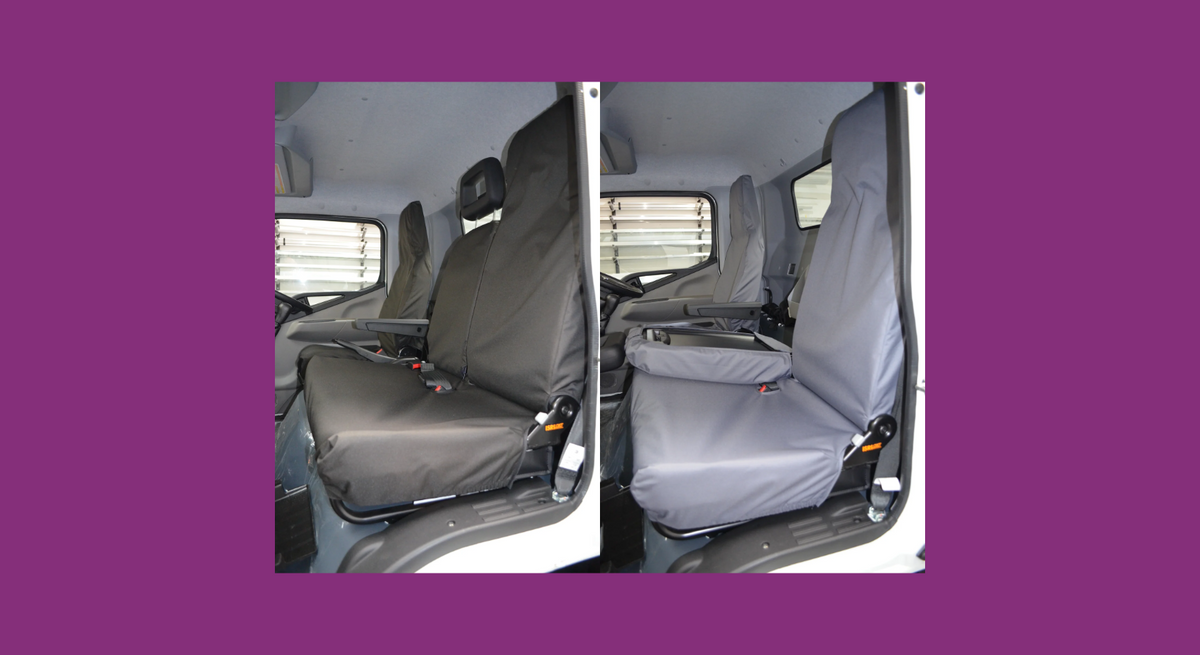
Some cheaper covers protect the seat base and front of the backrest but leave the headrest, armrests and rear of the seat exposed. Those are exactly the areas scuffed by tools, ladders and loads moving around the cab, and once original seat fabric is torn, it is expensive to repair.
Look for sets that include separate headrest covers, armrest covers where fitted, and full coverage on the back of each seat so no original upholstery is left on show. Complete coverage is what keeps the interior looking like new when the van is eventually sold or returned at the end of a lease.
6. Fitting Them Loosely and Forgetting About Them
Even a tailored cover needs fitting properly. Loose straps allow the cover to creep, which causes rubbing, wrinkles and uneven wear. On a driver's seat that is used dozens of times a day, that movement adds up quickly.
Take time to fasten every buckle beneath the seat and push any anchor tubing firmly into the gap between the backrest and base. It is worth checking the fit again after the first week, once the fabric has settled into shape, and re-tightening any straps that have loosened.
7. Choosing on Price Alone
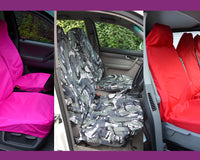
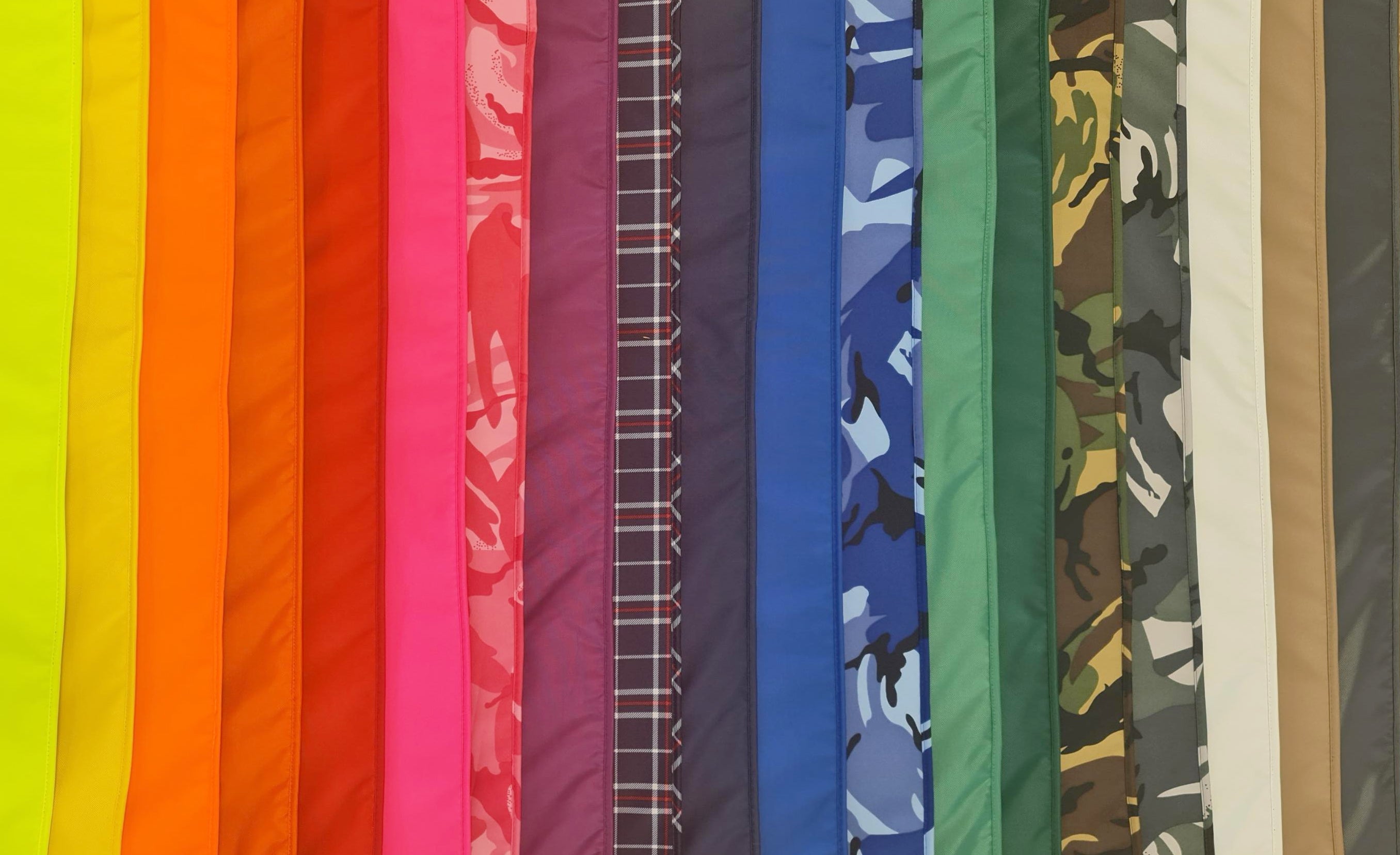
A low price is tempting, but thin fabric, weak stitching and poorly patterned covers often need replacing within months. Over the life of a van, buying cheap covers two or three times usually costs more than buying a quality set once. Camouflage designs are a common example, with some manufacturers using patterned fabric on the front and a cheaper plain material on the back.
Instead, compare the material specification, construction and guarantee. Turtle Covers waterproof seat covers are made in the UK from 600 denier PU-coated polyester, with bound edges, top-stitched seams and the same fabric used all the way round. Every product is backed by a 3 year manufacturing guarantee and 3 month returns policy. If you drive a less common vehicle, universal waterproof seat covers are also available.
A Quick Checklist Before You Buy
Before placing an order, make sure your chosen covers tick every box below:
• Matched to your exact seat layout, not just your van model
• Clearly suitable for seats with side airbags
• Fully waterproof, not simply water-resistant
• Covering headrests, armrests and seat backs
• Secured with straps, buckles and anchor points
• Backed by a meaningful guarantee
Still weighing up your options? The Turtle Covers guide on how to choose waterproof seat covers for your vehicle is a useful next step.
Final Thoughts
Waterproof seat covers are a small investment that protects one of the most heavily used parts of any working vehicle. Most problems owners experience come down to avoidable mistakes: the wrong seat layout, covers that ignore side airbags, harsh washing, incomplete coverage, poor fitting and choosing on price alone.
The most reliable approach is to buy covers tailored to your exact seats, made from genuinely waterproof heavy-duty fabric, then clean them gently and regularly. Do that, and your seats will stay protected, comfortable and presentable for years, whatever the working day brings.